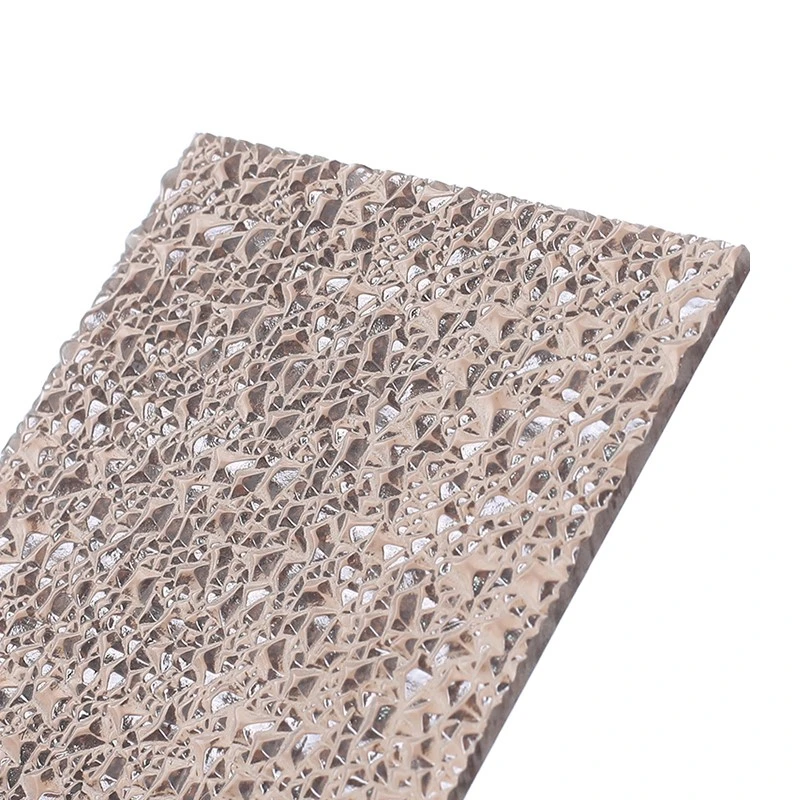
Specialty engineered wood panels are widely used in modern construction and industry, characterized by their ability to meet structural performance requirements. High-strength wood-based panels, composite panels, and metal panels excel in load-bearing capacity, deformation resistance, and durability, and are commonly used in building structures, curtain walls, and mechanical components. These panels not only ensure structural safety but also meet diverse design needs. Fire resistance, moisture resistance, and corrosion resistance are also important indicators for specialty engineered wood panels. Flame-retardant plywood and fire-resistant fiber cement boards are suitable for locations with high fire protection requirements; high-density moisture-resistant boards are suitable for humid environments such as kitchens and basements; while PVC and fiberglass panels possess excellent corrosion resistance and are widely used in chemical, shipbuilding, and outdoor facilities. These properties enable specialty engineered wood panels to maintain long-term stability in various environments.
Specialty engineered wood panels also have multiple functional applications. For example, sound-absorbing and sound-insulating panels are used in conference rooms, recording studios, and theaters; thermal insulation panels are used for roofs and exterior walls; and wear-resistant and impact-resistant panels are suitable for industrial machinery and transportation facilities. By rationally selecting and combining different types of panels, comprehensive needs such as safety, comfort, and durability can be met, providing reliable protection for engineering construction.